

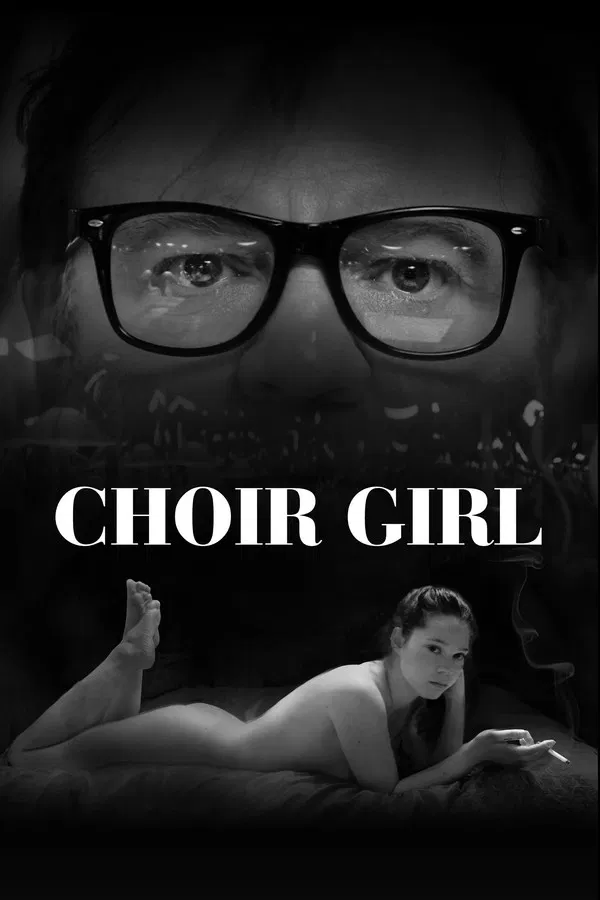
 Review
Choir Girl (Drama) (2019)
Director: John Fraser
Writer: John Fraser
Stars: Peter Flaherty, Sarah Timm, Krista Vendy, Jack Campbell
A lonely voyeuristic street photographer becomes obsessed with a young prostitute in Melbourne as he tangles himself in a criminal enterprise, which isn’t too pleased with his meddling and ambition.
An early limited release took place in late 2019, with an official release as late as 2021—featuring at several film festivals. Gaining traction slowly, John Fraser’s feature debut explores bleak themes of a morally bankrupt society. It was filmed entirely in Melbourne and produced by Golden Gate Productions and Nexus Production Group to be distributed by Amazon Prime Video.
Caring for his homebound elderly father, determined to escape the seedy underbelly of Melbourne, Eugene (Peter Flaherty) tries to earn enough money through voyeuristic photography, reflecting his environment. Seeking publication in an arts magazine called Slipstream, he becomes fixated on Josephine (Sarah Timm), an underaged foreign sex worker he photographs—who is controlled by a criminal figure known only as ‘’Daddy’’ (Jack Campbell). As she becomes his muse, Eugene attempts to intervene, rescuing her while working with an assistant editor, Polly (Krista Vendy), to secure recognition for his work, all while navigating the dangerous reach of the organisation intent only to exploit Josephine.
Morally obscured and societally bleak, Frasier’s drama is designed to provoke unease and a certain emptiness, where discomfort becomes the engine, and abuse and exploitation sit at the forefront.
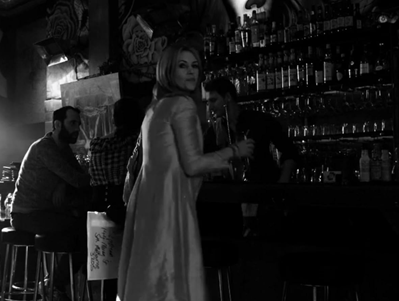
Trapped within his own creative outlet, Flahertyeen intent and consequence. Affirmation is rare in Eugene’s life—caring for his father in squalor, quietly desperate for escape. His fixation gradually shifts from conviction to dire desperation. Social uneasy yet certain, in his material, Eugene’s true intent lingers in obscurity. Not wholly corrupt but driven by a desire to rescue Timm’s Josephine to perhaps save himself.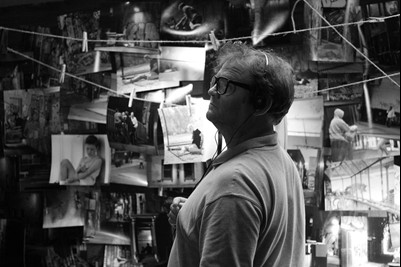 As the narrative progresses, Vendy’s Polly affirms Eugene and his talents — allowing intent to sharpen, tightening the emotional tension rather than resolving it. From the fringes, the film frames strain with increasing confinement escalation, proving effective: deliberately withheld, drawing us deeper into a tar pit of moral disquiet. As we sink further within the moral deluge, overlapping photographic imagery, used sparingly, functions as a stylistic lens—maintaining tastefulness while edging close to explicit exposure. A resistance to simplify Eugene into a martyr, instead portraying him as a victim of power and circumstance, maintaining a careful scarcity of judgement, with Josephine afforded agency rather than reducing her to victimhood. In doing so, Frasier sustains discomfort without complete collapse.
Provocative without decisiveness, Frasier’s debut raises bold moral claims yet hesitates to press them with full conviction. Discomfort, ambiguity, and flashes of shock value circle a loosely coiled structure that never tightens enough to crystallise its intent. Lingering in moral solicitude—compelling moments, but never assured enough to land its point nor conclusion confidently.
Verdict
A Voiceless Choir.
5,0